Seven material categories
Compare granite, marble, limestone, landscape stone, stone objects, crystals and agate geodes by application and sourcing questions.
Explore the categories ↗ Material. Form.
Architectural surfaces · Objects · Minerals
A material language for spaces and objects.
Find a direction. Bring the details into focus.
The BZStone material world
Explore the material and the setting together. Every sourcing brief begins with an actual sample, a clear specification and the intended use.
Begin with the material
The first choice is often a feeling: light or dark, warm or cool, restrained or full of movement. Explore appearance studies, then define the actual material, sample and finish.
The material guide ↗ Texture study
Palette 01 / Light & quiet
Fine veins and a pale ground. Start with the amount of movement you want to see.
Digital appearance study · Source & credit
 Texture study
Palette 02 / Warm & quiet
Subtle pale variation and warm color. Consider how a quieter surface reads across a larger setting.
Digital appearance study · Source & credit
 Texture study
Palette 03 / Dark & expressive
A dark field with a contrasting vein. Use a reference to agree the visual balance.
Digital appearance study · Source & credit
 Texture study
Palette 04 / Color & character
Sweeping bands and contrasting color. Explore movement, then confirm the actual material and sample.
Digital appearance study · Source & credit

Architecture & interiors
A surface meets light, an edge meets a hand, a detail meets a drawing. Start with the application and work toward a specification that fits.
The scale of an object
Study a curve, a proportion, the way material gives an object weight. Historical forms open a conversation about new, independently specified stone objects.
Explore object & form studies ↗
Minerals & crystals
Color, structure and a form unlike the next. Explore mineral references with clear identification, then define the specimen or batch you need.
Discover mineral forms
Make informed material decisions
Compare granite, marble, limestone, landscape stone, stone objects, crystals and agate geodes by application and sourcing questions.
Explore the categories ↗Plan samples, surface finishes, drawings, batch variation, inspection and protective packaging before an order.
Read the guides ↗Put dimensions, intended use, quantity and delivery destination in one place for a more useful conversation.
Prepare a brief ↗An invitation to look closer
Application reference
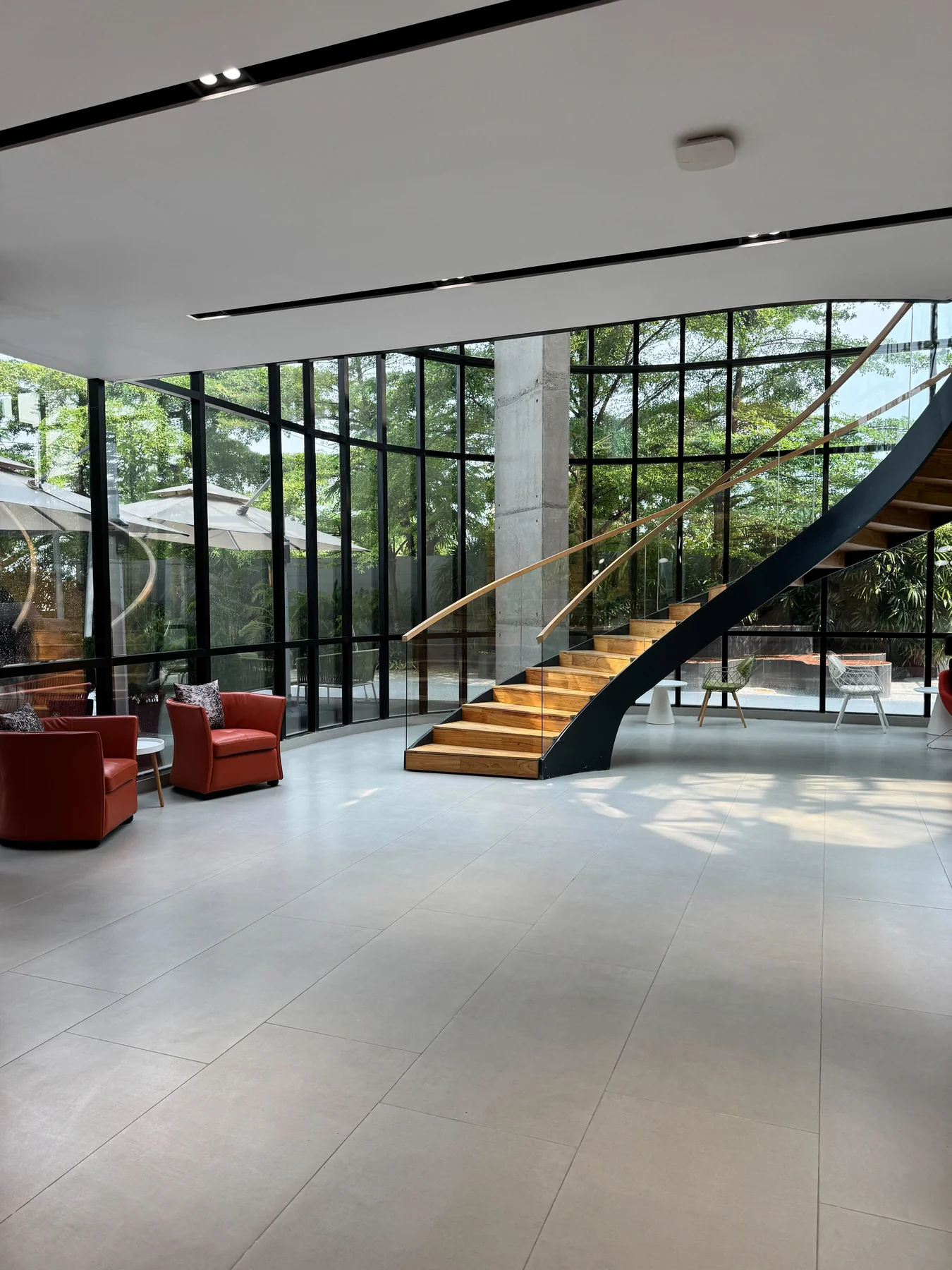
Architectural setting — material unverified
Digital material texture
Blue and bronze banded-stone appearance — digital texture
Digital material texture
Ivory marble appearance — digital texture
 Historical form study
Marble — museum catalogue
 Mineral study
Museum display linked to a rock crystal record
 Mineral study
Calcite — source-identified mineral specimen
From visual direction to buying brief
Architectural projects, wholesale ranges and individual sourcing needs all begin with a clear description.
The specification process ↗Application, material direction and any drawing or reference. State the intended use.
Dimensions, quantity, finish, sample expectations and the details that matter most.
Destination, requested timing and packing requirements. Agree actual supply terms after review.
From inspiration to a considered specification
A material, a drawing, a place to begin. Tell us about your project, quantity and destination.
Start a sourcing brief